
Nuits Balnéaires develops a polymorphous artistic practice: his photography, the medium he favors, draws on other disciplines such as cinema, theater, literature, and poetry. For him, image-making is a hybrid space where reality and dream coexist. The Malinké and Agni-Bona cultures from which he comes deeply permeate his universe—tales, epics, proverbs, metaphors—and intersect with contemporary art: his works weave infinite geographies, drawing from the crucible of ancient civilizations while confronting the complexities of the modern world.
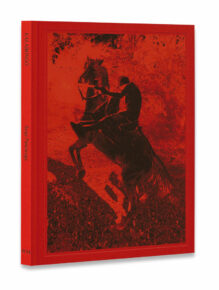
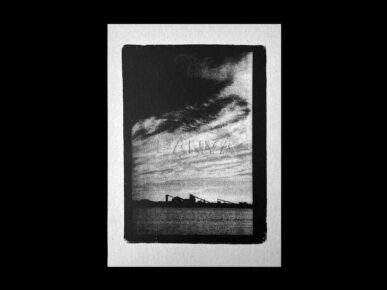
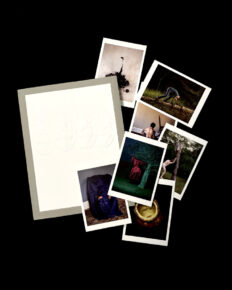
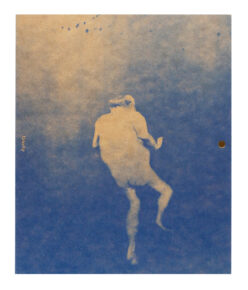
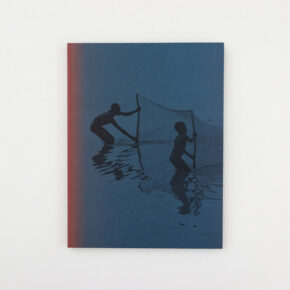
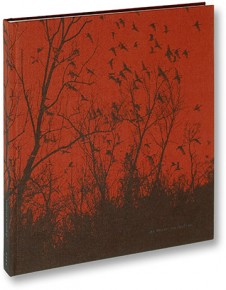
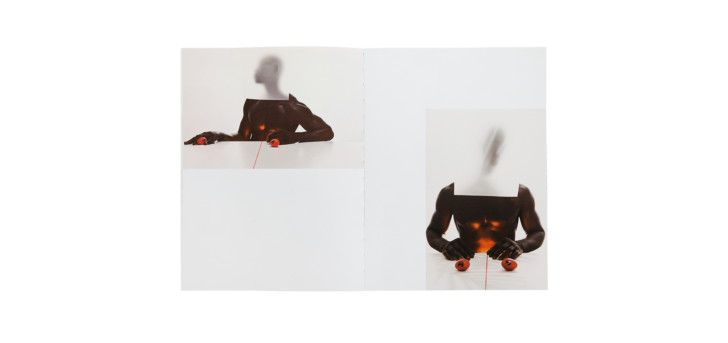
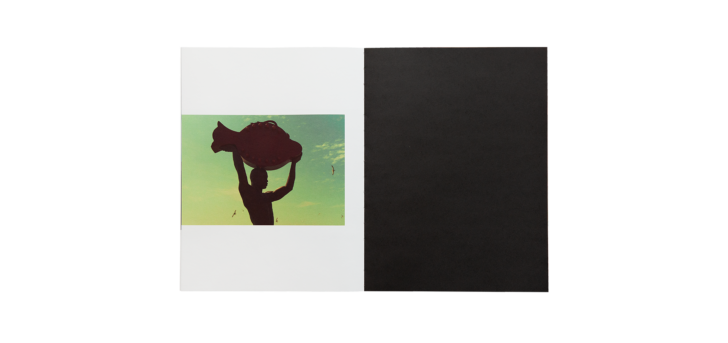
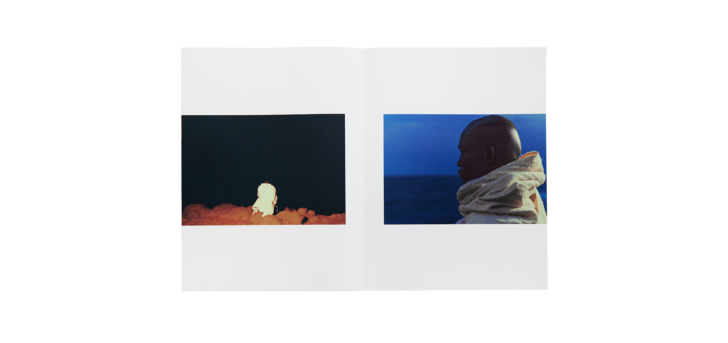
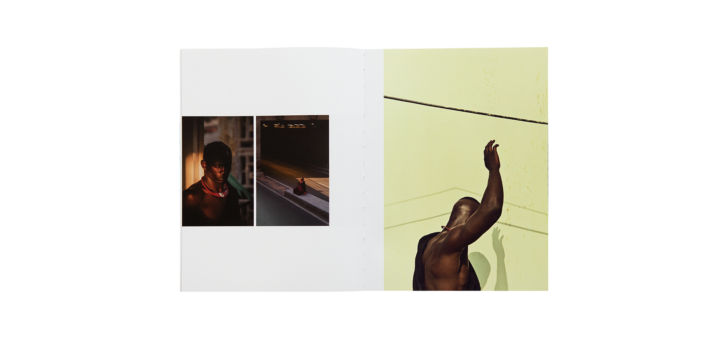
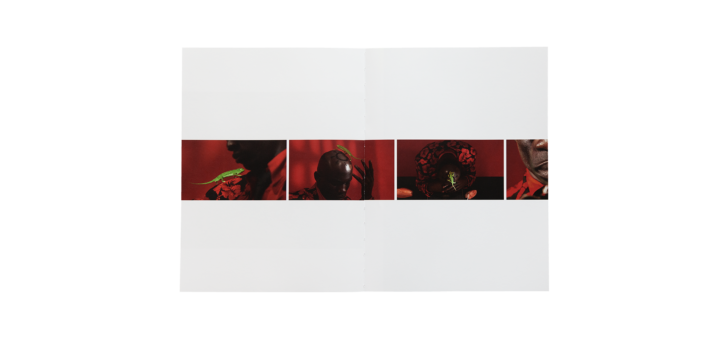
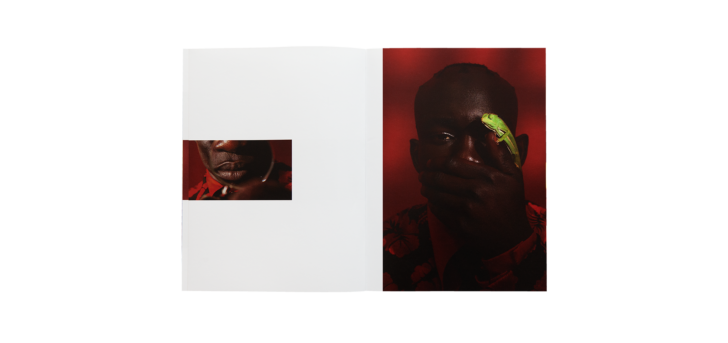
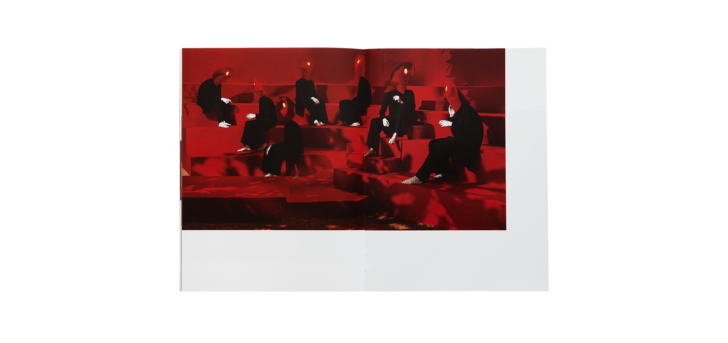
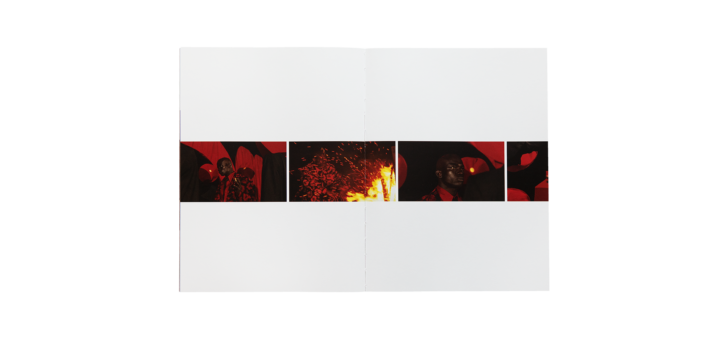
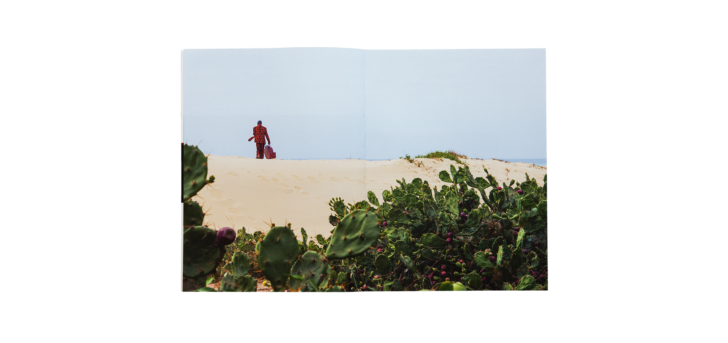
In 2024, Nuits Balnéaires created Eboro: a visual journey into the “afterlife” (eboro in the Agni-Bona tradition). The photographic series tells the story of an exiled poet, inspired by his uncle, Noël X. Ebony, a figure of Ivorian literature in the 1980s who disappeared under enigmatic circumstances. Following in the wake of this poetic legacy and its verbal experimentation, Nuits Balnéaires composes a fiction in which a character (both poet and fisherman) moves from the real world into that of dreams. The photographer plays with symbols drawn from ancestral Ivorian cultures, blending them with motifs of the modern city (dehumanized outskirts). In a dreamlike atmosphere and an aesthetic marked by the power of color (black and red symbolizing passage and transition to the afterlife), the figure of the exiled poet (as his uncle once was) leaves the city and crosses the desert before reaching the world of spirits, where strange creatures with crimson headdresses await him.
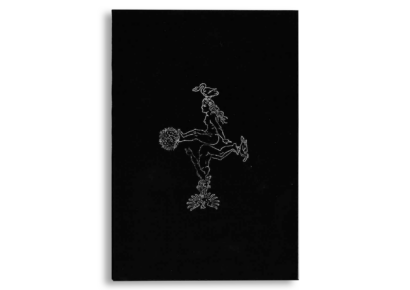
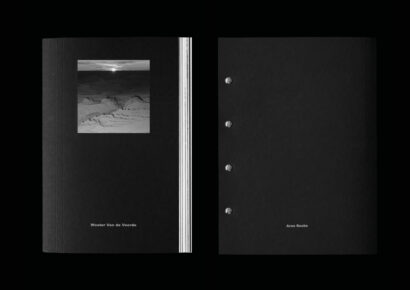
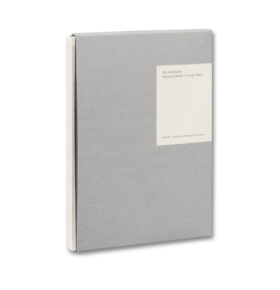
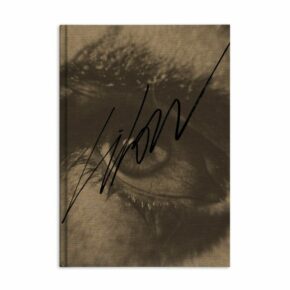
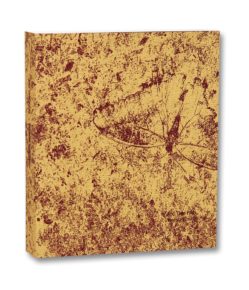
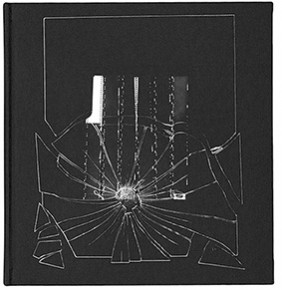
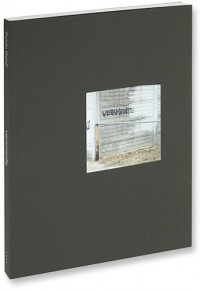
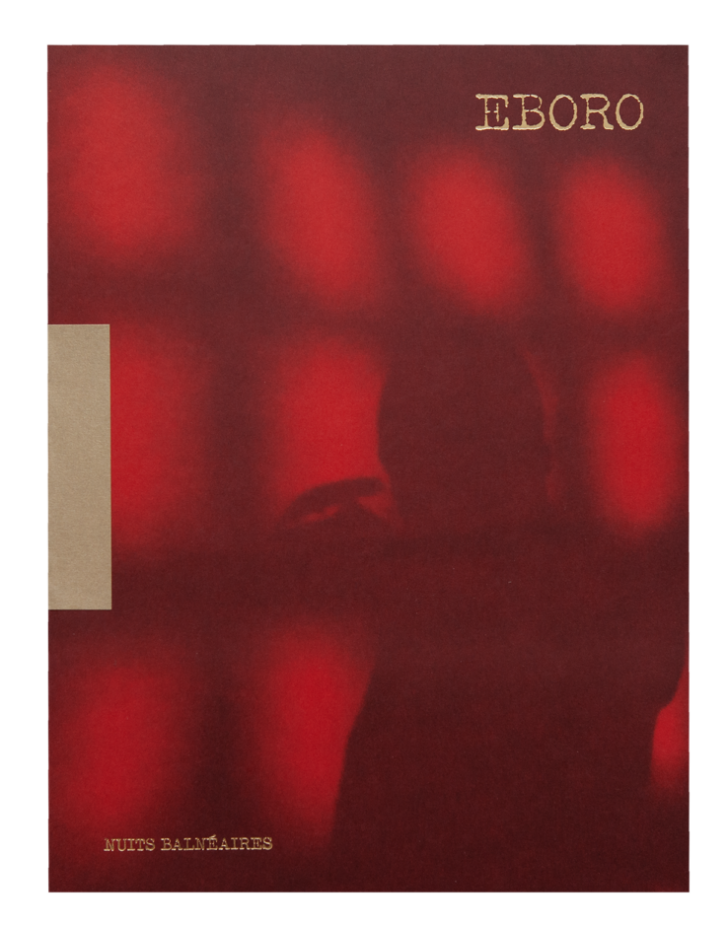
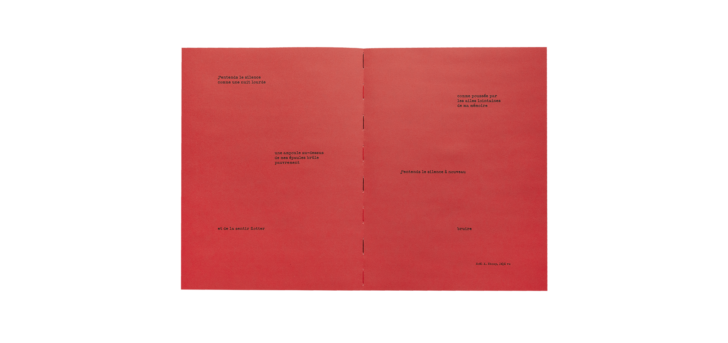
Eboro brings together literary, pictorial, historical, and symbolic influences. The fable speaks of isolation, exile, melancholy, and age-old tradition. Through this journey back to the source (the world of the ancestors), Nuits Balnéaires questions mechanisms of domination and the fragility of our cultural and spiritual inheritances. His visual language immerses us at the edge of the tangible, between familiar spaces and others that are more surreal. “A still image possesses an evocative power that does not depend on the unfolding of an action, but on what it suggests, on what the viewer projects onto it,” the photographer explains. Eboro travels back through time and across borders, oscillating between unfathomable mystery and wonder; it is revealed in a black-and-red case-bound book, printed on fine art papers and punctuated by the words of the poet Noël X. Ebony.