
October 21, 2026 - March 7, 2027
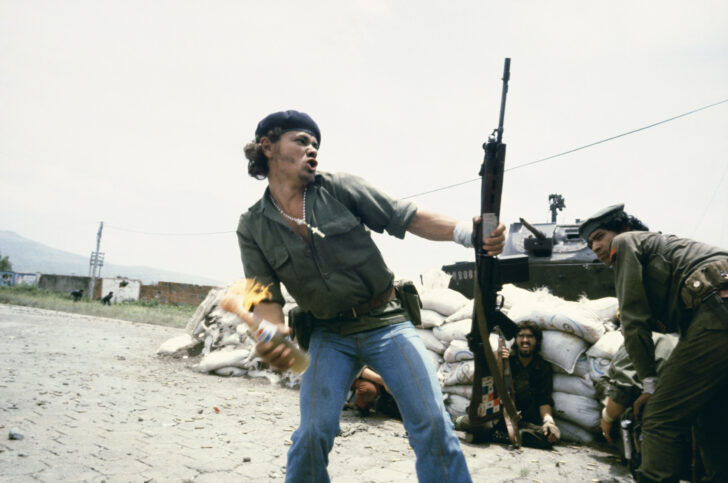
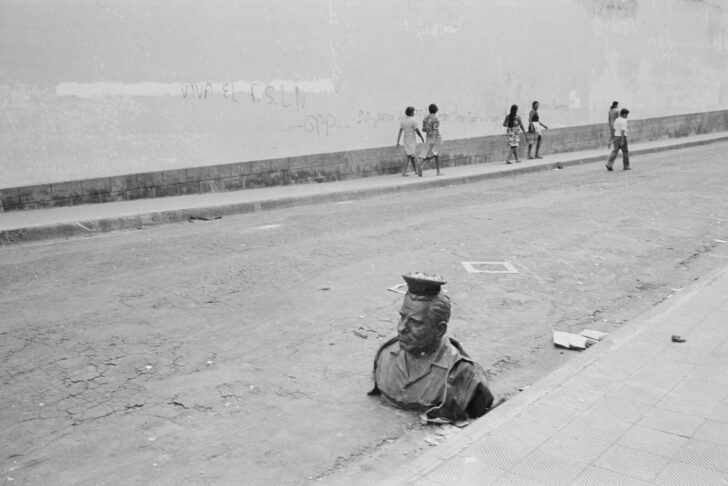
Images live their own lives, independent of those who create them. It was in Nicaragua that Susan Meiselas came to understand this. In 1978, the photographer, just 30 years old, traveled there for the first time. She had previously studied visual education at Harvard University, published a highly acclaimed first book on striptease shows, and joined the Magnum Photos agency. In this Central American country, a popular uprising was transforming into a revolutionary war pitting the Sandinista National Liberation Front (FSLN) against the National Guard of the dictatorial regime of President Anastasio Somoza Debayle, backed by the United States. Throughout a year, she photographed daily life, street fighting, and the victory of the Revolution. In 1981, a first selection of these historically significant documents was published in a book simply titled Nicaragua, June 1978 – July 1979.
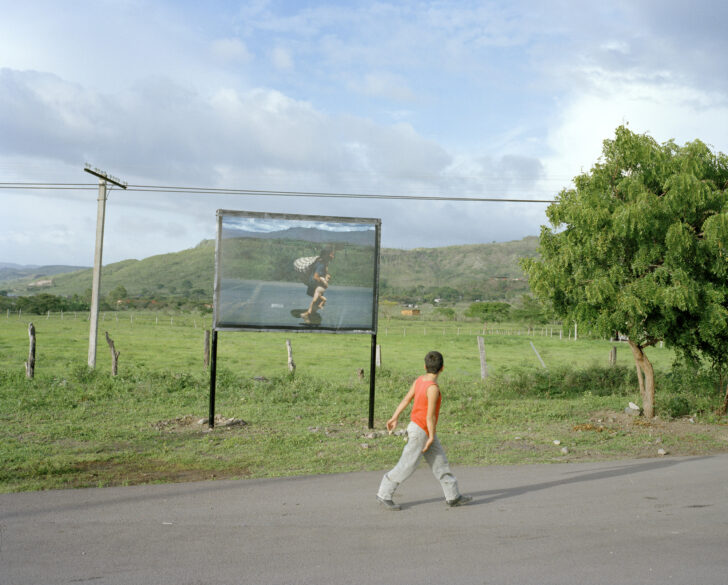
Following this publication, Susan Meiselas felt compelled to return to Nicaragua to speak with those who appeared in her images. Over the past four decades, she has returned there frequently, documenting how her photographs were being used — reproduced on various objects (T-shirts, stamps, matchboxes, etc.) or as murals, most often in celebration of the Revolution, but sometimes also to criticize or oppose it. She came to realize that her photographs had acquired a life of their own. Over time, a significant gap had emerged between what they documented and what they had come to symbolize in the collective imagination. Susan Meiselas’s images thus became the very site of a tension between History and Memory. It is precisely this dialectic that the exhibition at the Fondation Henri Cartier-Bresson, along with its accompanying publication by Atelier EXB, sets out to explore, through more than a hundred works, documents, and film clips.
Curator of the exhibition
Clément Chéroux
Director, Fondation Henri Cartier-Bresson
Label
This project has been awarded the “Bicentennial of Photography” label by the French Ministry of Culture and is part of the official Bicentennial programme running from September 1st, 2026, to September 30, 2027.